Category Archives: Meeting Resources

When to Stay with a Proven Venue—and When to Explore New Options

Every planner has them: the venues that consistently deliver. The sales team knows your event, the staff understands your expectations, and attendees are familiar with the destination. There is tremendous value in that level of confidence.

Yet even the strongest venue relationships deserve occasional evaluation. Attendee expectations evolve, organizational priorities shift, and new opportunities emerge. The challenge isn’t choosing between loyalty and change—it’s knowing when each serves your event best.

The Value of a Proven Venue

Returning to a familiar property offers several advantages:

    • Established working relationships
    • Predictable service levels
    • Reduced planning risk
    • Historical performance data
    • Greater efficiency during the planning process
    • Increased stakeholder confidence

When a venue continues to support your objectives and attendee experience, there is no reason to change simply for the sake of change.

Signs It May Be Time to Explore New Options

While consistency has value, there are situations where a new venue deserves consideration.

Common indicators include:

    • Attendee feedback suggesting a desire for something different
    • Growing attendance that exceeds current space limitations
    • Budget challenges or rising costs
    • New meeting objectives
    • Changes in attendee demographics
    • Shifts in destination accessibility

A venue that was the perfect fit five years ago may not be the perfect fit today.

Ask the Right Questions

Before beginning a new venue search, consider:

    • What problem are we trying to solve?
    • What is driving the desire for change?
    • Will a new venue improve attendee outcomes?
    • What risks come with changing venues?
    • Are there alternatives that address our concerns without requiring a full move?

The answers often reveal whether a venue change is truly necessary.

Consider a Middle Ground

Venue decisions are rarely all-or-nothing.

Planners can often introduce fresh energy by:

    • Selecting a different property within the same destination
    • Rotating venues every few years
    • Reimagining event layouts and programming
    • Adding new off-site experiences
    • Incorporating local partnerships and activities

Sometimes small changes create the impact attendees are looking for.

Focus on Event Goals

Ultimately, venue selection should support the purpose of the meeting.

The best venue isn’t always the newest property or the one with the strongest relationship history. It’s the venue that best supports your event goals, attendee experience, and business objectives.

Final Thoughts

Venue decisions often involve balancing familiarity with opportunity. By evaluating your goals, listening to attendee feedback, and regularly assessing whether your venue continues to meet your needs, you’ll be better positioned to make decisions that support both your event and your attendees.

Master Planner Tip

Don’t change venues simply because attendees want something different—change venues when a different venue can better support your event goals.

Novelty alone rarely justifies the disruption. Strategic improvements do.

Finding Your Next Great Venue: A Practical Guide

Every planner has a list of trusted venues they know can deliver. Familiar properties offer confidence, established relationships, and fewer surprises. But sometimes the best solution for an event isn’t a venue you’ve used before.

Whether you’re searching for a fresh destination, responding to changing attendee expectations, or simply looking for the best fit for a particular program, evaluating new properties is an essential part of modern meeting planning.

The challenge isn’t finding options. The challenge is finding the right option.

Having a structured process can help planners move beyond marketing materials and make informed decisions that align with meeting objectives, budgets, and attendee needs.

Start with the Meeting, Not the Venue

Before researching properties, clearly define what success looks like for the event. Consider the basic requirements, but also think about the attendee experience you’re trying to create and the operational support your program will need.

Consider:

    • Guest room requirements
    • Meeting and event space needs
    • Budget parameters
    • Accessibility considerations
    • Destination preferences
    • Transportation and airlift
    • Attendee demographics
    • Program goals
Build a Short List Worth Exploring

A broad search can quickly become overwhelming. Instead of reviewing dozens of possibilities, focus on creating a manageable shortlist of venues that appear to align with your most important criteria.

Useful sources include:

    • Industry peers and referrals
    • Past attendee feedback
    • Professional networks
    • Industry publications
    • Destination marketing organizations
    • Trusted planning resources
Beyond Search Results: The Value of Industry Connections

While websites, directories, and online research are valuable starting points, some of the best venue discoveries happen through conversations.

Industry peers, destination representatives, hotel partners, and fellow planners can often provide insights that aren’t visible in a brochure or property website. They can share firsthand experiences, recommend emerging destinations, and introduce you to venues that may not have appeared on your initial shortlist.

Building and maintaining industry relationships can expand your options and help you make more informed decisions. Networking events, educational programs, and curated industry gatherings often create opportunities to discover new properties while gaining valuable context about the people and teams behind them.

The more connected you are within the industry, the more likely you are to uncover venue opportunities that align with your meeting goals.

Partner Spotlight
Discover New Venues Through Meaningful Connections

Sometimes the best venue recommendations come from conversations, not search results.

CONFAB For Planners brings together qualified meeting planners and hospitality partners in a focused, relationship-driven environment designed to make networking productive and efficient. Through curated appointments and meaningful conversations, planners can discover new venues, destinations, and industry partners while building valuable professional connections.

Whether you’re searching for your next great venue or simply expanding your network, CONFAB offers a fresh approach to industry engagement.


View Upcoming CONFAB For Planners Events →

Look Beyond the Photos

Beautiful images and polished websites can create a strong first impression, but experienced planners know there’s much more to evaluate. The factors that shape the actual attendee experience are often found beyond the homepage.

As you review properties, consider:

    • Meeting space flexibility
    • Guest room quality and consistency
    • Service reputation
    • Accessibility and ADA considerations
    • Walkability and surrounding amenities
    • Technology capabilities
    • Sustainability initiatives
    • Recent renovations or upgrades
Ask Better Questions

The most valuable information often comes from conversations rather than brochures. Ask about the types of groups the property hosts most often, planned renovations during your dates, contract flexibility, staffing, and how the team handles unique meeting requirements.

Strong questions can reveal details that marketing materials leave out – including potential challenges, service strengths, and whether the venue team is truly prepared to support your group.

Compare Properties Side by Side

One of the biggest mistakes planners can make is evaluating each venue independently. A side-by-side comparison helps keep the process objective and makes it easier to explain recommendations to stakeholders.

Create a simple scoring framework based on the criteria that matter most to your meeting. Categories might include cost, location, meeting space, guest rooms, service responsiveness, accessibility, attendee experience, and overall fit.

Planner Tool Kit: A Faster Way to Compare Venue Options

Researching venues is only the beginning. Once responses start arriving, comparing options can quickly become one of the most time-consuming parts of the process.

ConventionPlanit’s RFP Valet® helps planners streamline venue sourcing by distributing RFPs, gathering responses, and presenting qualified options in an easy-to-review format – saving time while helping you make more informed decisions.

Don’t Underestimate Responsiveness

A property’s responsiveness during the sales process often provides a preview of the working relationship to come. Pay attention to response times, quality of communication, accuracy of information, willingness to problem-solve, and overall professionalism.

The venue itself matters – but so does the team behind it.

Master Planner Tip

Create a venue evaluation scorecard before you begin your search – not after you’ve narrowed your options.

Establishing your criteria upfront helps prevent shiny-object syndrome and keeps decisions focused on what matters most to your event. When every property is measured against the same standards, comparing options becomes faster, more objective, and easier to communicate to stakeholders.

Final Thoughts

Exploring new properties can feel risky, but it can also lead to stronger attendee experiences, fresh destination opportunities, and valuable new partnerships.

The key is approaching the process with a clear framework. When planners know what they’re looking for, ask the right questions, and evaluate options consistently, discovering a new venue becomes less about taking a chance – and more about making an informed decision.

Keeping Meetings Fresh: How to Surprise and Delight Returning Attendees

Many meetings have a loyal audience. Attendees return because they value the education, networking opportunities, and connections your event provides. But returning attendees also bring expectations.

They’ve experienced your registration process. They’ve attended your sessions. They’ve walked the exhibit hall and visited the destination. The challenge isn’t simply delivering another successful event—it’s creating an experience that feels fresh and memorable.

Fortunately, keeping meetings fresh doesn’t always require a new venue, larger budget, or complete redesign.

Focus on What Attendees Remember

Attendees rarely remember every session they attended or every logistical detail.

What they do remember are:

    • Meaningful conversations
    • Unique experiences
    • Unexpected surprises
    • Personal touches
    • Moments that made them feel valued

The most memorable events focus on creating experiences, not just managing logistics.

Refresh the Arrival Experience

First impressions set the tone for the entire event.

Consider:

    • Personalized welcome messages
    • Local gifts or amenities
    • Interactive check-in experiences
    • Thoughtful arrival-day programming

Small enhancements can create excitement before the event even begins.

Rethink Networking Opportunities

Traditional networking receptions still have value, but today’s attendees often seek more meaningful connections.

Consider:

    • Facilitated introductions
    • Small-group discussions
    • Interest-based networking
    • Interactive activities

Helping attendees connect in authentic ways can significantly improve their overall experience.

Bring the Destination Into the Event

One of the easiest ways to refresh a repeat event is by incorporating more of the destination itself.

Ideas include:

    • Local culinary experiences
    • Cultural activities
    • Community partnerships
    • Off-site excursions
    • Regional entertainment

Attendees often remember these experiences long after the event concludes.

Create One Signature Moment

Every event should have at least one memorable experience attendees talk about afterward.

It doesn’t need to be expensive or elaborate. It simply needs to be meaningful, unique, and aligned with your audience.

The moments people remember often become the moments they share.

Don’t Overlook Small Improvements

Sometimes the most appreciated enhancements are also the simplest.

Examples include:

    • Better signage
    • Charging stations
    • Wellness spaces
    • Flexible seating
    • Improved attendee communications

Small details can have a surprisingly large impact on attendee satisfaction.

Final Thoughts

Attendees don’t necessarily need a completely different event each year. They simply need new reasons to be excited about returning.

By focusing on meaningful experiences, thoughtful enhancements, and memorable moments, planners can keep meetings fresh while continuing to build on the success of past events.

Master Planner Tip

Ask attendees what they remember—not just what they liked.

Post-event surveys often focus on satisfaction ratings. To uncover opportunities for future improvement, ask attendees what stood out, what surprised them, and what they’ll remember six months from now. Those responses often reveal the experiences that create lasting impact.

Creating an Unforgettable Event Experience: A Modern Planner’s Guide

In today’s competitive event landscape, it takes more than a polished agenda to leave a lasting impression. Planners must craft experiences that not only inform but inspire. Here’s how to create an event that attendees will remember—and talk about—long after the last session ends.

Dynamic Speakers: Insight Meets Inspiration

Go beyond booking experts—find storytellers. Select keynote speakers who blend deep industry knowledge with charisma and presence. Look for voices who provoke thought, ignite conversation, and bring a fresh lens to familiar topics.

Interactive Learning: Beyond the Lecture

Hands-on experiences make your event stick.
Incorporate:

  • Design Thinking Workshops to tackle real-world challenges.
  • Tech Demo Zones where attendees test emerging tools.
  • Small-Group Masterclasses with industry innovators for deep-dive learning.

This approach invites participation, not just passive attendance.

Meaningful Networking: Intentional by Design

Modern attendees crave more than mixers. Reimagine your networking with:

  • Smart Badges that save contact info with a tap and recommend matches based on shared interests.
  • The Innovation Lounge: A relaxed space with casual seating and great coffee.
  • Speed Connection Rounds: High-energy 5-minute conversations with 15 new faces.
  • Industry Pods: Themed zones to gather professionals by topic or interest.

Gamify the Journey

Turn the entire event into an interactive challenge. Use your app to reward attendees for:

  • Attending sessions
  • Making meaningful connections
  • Completing mini-missions or scavenger hunts

Not only does this increase participation, but it also adds a sense of fun and accomplishment.

Master’s Tip: Design the Journey, Not Just the Agenda

Think like a storyteller. Map your event like a narrative arc with a strong opening, engaging middle, and memorable ending. Weave in moments of surprise, reflection, and personal connection. Consider how each element (sessions, spaces, interactions) contributes to the emotional journey of your attendees. The more intentional the flow, the more unforgettable the experience.

That’s a Wrap

Today’s successful events prioritize engagement, connection, and creativity. By building experiences that are dynamic, hands-on, and purposefully social, you’ll do more than plan an event—you’ll create a moment attendees will carry forward.

Prepare to Engage: 4 Ways to Build Buzz Before the Event Begins

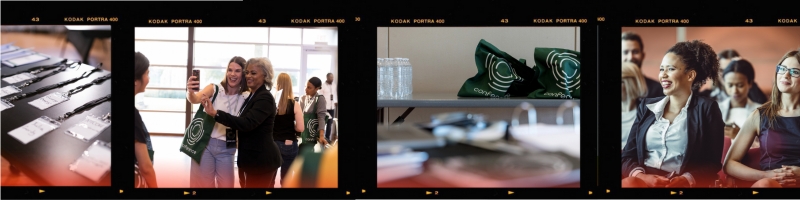
various conference meeting scenes- people smiling together, nametags on a table, conference bags and bottled water

For meeting planners, a well-executed event doesn’t start on opening day—it begins the moment you announce it. The more connection you build beforehand, the more buy-in you’ll have from your attendees. Use these four strategies to boost engagement before your event even begins:

1. DESIGN A CAPTIVATING PROGRAM
Does your program hit your target? Send out a survey about speakers, types of meetings (panel discussions vs. PowerPoint sessions), performers, cuisine, and networking events. You’ll uncover important clues that can guide content decisions and ensure your agenda matches attendee interests.

2. PERSONALIZE YOUR OUTREACH
Customize your message to each recipient. Take time to call or send personalized text messages to potential participants. Emails and periodic updates should highlight meeting session details, exciting speakers, and compelling takeaways that help guests visualize the value of attending.

3. CREATE BUZZ
Leverage social media platforms like Facebook, Twitter, Instagram, and LinkedIn to build excitement. Share photos and teaser videos from previous events. Encourage attendees to use hashtags, making it easier for others to discover and engage with your event community in advance.

4. ENSURE EASY ACCESS
Make registration simple and support seamless discovery. Set up an event website or landing page with all key details, a clear FAQ section, and an online registration form with payment capabilities. Link everything back to your social channels to streamline access and amplify reach.

Next Level Planning

For seasoned planners looking to go beyond the basics, next-level engagement starts with intentional strategy. Once you’ve laid the foundation with surveys, outreach, and social buzz, consider these advanced tactics to refine your approach and elevate results. These expert-level tips help you tap into deeper audience insights and amplify your reach with precision.

PRE-SEGMENT YOUR AUDIENCE BASED ON REGISTRATION BEHAVIOR

Before your event begins, use registration data to segment your audience by interests, job roles, or session preferences. Then tailor pre-event messaging by segment—send focused content (like speaker interviews, agenda highlights, or networking prompts) to each group. This level of customization makes your outreach feel exclusive and drives deeper engagement before attendees even arrive.

LAUNCH A MICRO-INFLUENCER STRATEGY

Identify loyal past attendees, advisory board members, or well-connected speakers and empower them to act as event advocates on social media. Provide them with sneak peeks, branded visuals, and suggested hashtags to share with their networks. This peer-to-peer credibility adds organic buzz and expands your reach without additional ad spend.

By building anticipation early, you’ll arrive at day one with a more informed, excited, and committed audience.